

Introduction
As cities continue to expand, the demand for reliable infrastructure becomes increasingly important. Among the most essential components of modern urban infrastructure is an efficient sewer network. Sewer Network Construction plays a vital role in supporting public health, environmental protection, wastewater management, and sustainable urban growth.
Without properly designed and maintained sewer systems, communities may face sanitation challenges, environmental concerns, and limitations on future development. A well-planned sewer network provides the foundation necessary for safe and efficient wastewater collection and transportation.
Understanding Sewer Network Infrastructure
A sewer network is an interconnected system of pipelines, manholes, pumping stations, and related infrastructure designed to collect and transport wastewater from residential, commercial, industrial, and public facilities.
The primary objective of a sewer network is to safely convey wastewater to treatment facilities for processing and disposal or reuse.
These systems are fundamental to the operation of modern cities and industrial developments.
The Role of Sewer Networks in Urban Development
Supporting Population Growth
As urban populations increase, wastewater volumes also rise. Sewer networks help cities accommodate growth while maintaining sanitation and environmental standards.
Efficient sewer systems enable residential, commercial, and industrial expansion without compromising public health.
Protecting Public Health
Proper wastewater collection prevents the accumulation of sewage in populated areas.
Reliable sewer infrastructure helps reduce sanitation-related risks and supports healthier living conditions for communities.
Environmental Protection
Modern sewer systems help minimize wastewater discharge into natural environments.
Effective wastewater collection supports environmental sustainability and responsible water management practices.
Key Components of Sewer Network Construction
Sewer Pipelines
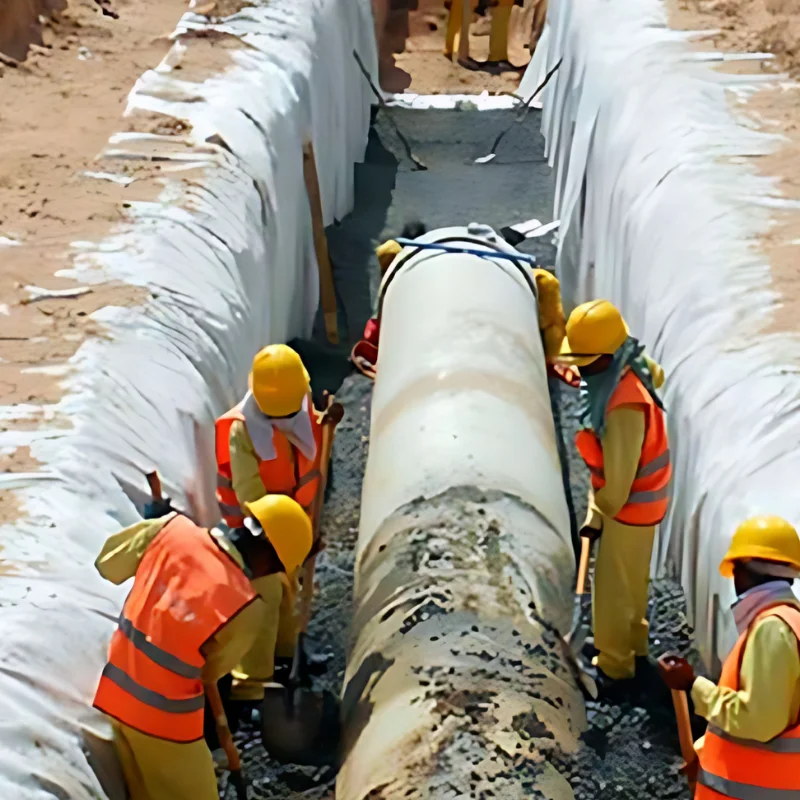
Pipelines serve as the primary channels for transporting wastewater throughout the network.
Manholes
Manholes provide access for inspection, maintenance, and system monitoring.
Pumping Stations
In areas where gravity flow is insufficient, pumping stations help move wastewater efficiently through the network.
Connection Infrastructure
Service connections link residential, commercial, and industrial properties to the main sewer system.
Benefits of Modern Sewer Network Infrastructure
Improved Wastewater Management
Efficient collection systems support reliable wastewater transportation and treatment.
Enhanced Urban Development
Infrastructure availability encourages residential, commercial, and industrial growth.
Long-Term Sustainability
Well-designed systems support future expansion and changing community needs.
Increased Property Value
Areas with reliable infrastructure often experience stronger development potential and investment opportunities.
Sewer Networks and Sustainable Cities
Urban sustainability depends on infrastructure that supports resource management and environmental responsibility.
Modern sewer systems contribute to sustainable development by:
- Improving wastewater management
- Supporting water reuse initiatives
- Reducing environmental impacts
- Enhancing public health outcomes
As cities evolve, sewer infrastructure remains a key component of long-term development strategies.
Common Applications
Residential Communities
Supporting housing developments and population growth.
Commercial Districts
Managing wastewater generated by offices, retail centers, and public facilities.
Industrial Areas
Handling wastewater generated by manufacturing and processing activities.
Municipal Infrastructure Projects
Supporting broader urban development initiatives.
Conclusion
Sewer Network Construction is a critical element of urban development, public health, and environmental sustainability. By investing in reliable wastewater collection infrastructure, cities and organizations can support long-term growth, improve sanitation, and create a stronger foundation for future development.