

Red Sea Arabia provides professional infrastructure design service in Saudi Arabia, delivering reliable engineering solutions for roads, drainage systems, utility networks, and industrial infrastructure projects.
Modern infrastructure projects require coordinated engineering design to ensure that roads, drainage systems, utility networks, water infrastructure, and other essential systems work together effectively.
Red Sea Arabia provides infrastructure design services in Saudi Arabia for industrial, commercial, municipal, and infrastructure development projects. Our service scope covers road and transportation infrastructure, underground utility networks, drainage systems, water distribution, wastewater and sewer networks, industrial infrastructure, civil engineering, and infrastructure coordination.
Effective infrastructure design considers project requirements, site conditions, utility coordination, operational needs, safety, constructability, and long-term infrastructure performance.
Road infrastructure provides the connection between industrial facilities, commercial developments, communities, and other essential destinations. Proper design is important for transportation efficiency, roadway safety, drainage, and long-term road performance.
Our infrastructure design services include planning and engineering considerations for road networks, highway infrastructure, pavement systems, grading, drainage integration, and transportation requirements.
Road and highway projects require coordinated planning for alignment, grading, pavement systems, drainage, and connections with surrounding infrastructure.
Our road infrastructure design approach focuses on:
These design considerations help create road systems suited to the operational and development requirements of industrial, commercial, and municipal projects.
Transportation infrastructure must also consider traffic movement and roadway safety.
Infrastructure planning can incorporate traffic coordination, roadway safety considerations, transportation movement, and integration with surrounding infrastructure.
The objective is to create transportation systems that support efficient movement while considering the operational requirements of the development.
Utility infrastructure is an essential part of residential, commercial, industrial, and municipal development.
A coordinated utility design helps reduce conflicts between underground services and allows water, drainage, electrical, communication, and other infrastructure requirements to be considered during project planning.
Underground infrastructure requires careful coordination because multiple utility systems may occupy the same development area.
Our infrastructure design services cover planning considerations for:
Coordinated planning helps reduce potential conflicts between utility systems and supports more organized infrastructure development.
Large infrastructure projects often involve several utility networks operating within the same area.
Infrastructure coordination considers the relationship between utility routes, road networks, drainage systems, water infrastructure, and other project components.
This integrated approach helps ensure that different infrastructure systems are considered together rather than designed as isolated components.
Drainage infrastructure plays an important role in managing surface water and protecting roads, utilities, buildings, and other infrastructure from water-related problems.
Proper drainage planning considers stormwater flow, drainage routes, collection systems, discharge requirements, and integration with surrounding infrastructure.
Stormwater management is an important consideration for road, industrial, commercial, and municipal infrastructure projects.
Our design approach focuses on stormwater management, drainage planning, drainage network coordination, and infrastructure protection according to project requirements.
Drainage systems need to work effectively with road levels, site grading, utility networks, and surrounding infrastructure.
Infrastructure design can include planning for drainage routes, collection systems, drainage integration, and coordination with other infrastructure components.
Properly coordinated drainage design supports infrastructure durability and helps manage water flow across developed areas.
Water infrastructure supports residential communities, commercial developments, industrial facilities, and other development projects.
Water system design requires consideration of pipeline networks, hydraulic requirements, pressure management, utility coordination, and operational needs.
Water distribution networks require coordinated planning to deliver water effectively throughout a development.
Our infrastructure design services cover planning considerations such as:
The design approach is aligned with the requirements of the specific development and its intended water infrastructure system.
Water networks often need to be coordinated with roads, drainage systems, underground utilities, and other infrastructure.
Integrated infrastructure planning helps ensure that water distribution systems are properly considered alongside other project components during development.
Water networks often need to be coordinated with roads, drainage systems, underground utilities, and other infrastructure.
Integrated infrastructure planning helps ensure that water distribution systems are properly considered alongside other project components during development.
Wastewater infrastructure is essential for sanitation, environmental management, and reliable operation of residential, commercial, industrial, and municipal developments.
Proper sewer infrastructure planning considers wastewater collection, pipeline routing, network coordination, system integration, and long-term operational requirements.
Wastewater collection systems require appropriate planning to move wastewater through the development and toward the relevant treatment or disposal infrastructure.
Our infrastructure design scope includes considerations for:
The design is developed around the specific requirements of the project and its infrastructure environment.
Sewer systems must be coordinated with site levels, roads, drainage, water systems, and other underground utilities.
Integrated planning helps reduce infrastructure conflicts and supports an organized approach to wastewater network development.
Industrial developments have infrastructure requirements that differ from many commercial or residential projects.
Factories, warehouses, processing facilities, and industrial plants may require coordinated roads, utility networks, drainage, water systems, wastewater infrastructure, and supporting infrastructure.
Industrial facilities depend on reliable utility infrastructure to support their operational requirements.
Infrastructure design can address coordination of:
The objective is to create an integrated infrastructure framework that supports the requirements of the industrial development.
Industrial infrastructure planning requires consideration of the relationship between buildings, access roads, utilities, drainage, water systems, and operational areas.
A coordinated design approach helps different infrastructure components work together and supports efficient project development.
Infrastructure projects involve multiple engineering elements that need to be coordinated throughout the design and development process.
Civil engineering contributes to site grading, road infrastructure, drainage, utility coordination, water systems, wastewater systems, and other supporting infrastructure.
Civil engineering design helps establish the physical infrastructure required for a development.
Depending on project requirements, infrastructure planning can include:
A coordinated civil engineering approach helps ensure that these elements are considered together during infrastructure development.
Large infrastructure projects may involve multiple systems and engineering disciplines.
Project coordination helps maintain consistency between road networks, utility systems, drainage infrastructure, water networks, wastewater systems, and industrial infrastructure.
Effective coordination can reduce design conflicts and support more organized project execution.
Infrastructure should be designed with consideration for long-term performance, resource efficiency, environmental requirements, and future development needs.
Sustainable infrastructure planning can incorporate efficient use of resources, appropriate drainage systems, utility optimization, and infrastructure solutions designed for long-term operation.
Infrastructure development can affect water management, land use, utilities, and surrounding environments.
Our infrastructure planning approach considers drainage efficiency, utility coordination, water management, infrastructure durability, and responsible engineering practices according to project requirements.
Infrastructure systems are long-term investments. Their design should consider operational requirements, maintainability, durability, and future development needs.
Proper planning of roads, drainage, utilities, water systems, wastewater networks, and industrial infrastructure can help support reliable long-term performance.
Commercial and municipal developments require coordinated infrastructure systems to support transportation, utilities, drainage, water supply, wastewater management, and daily operations.
Our infrastructure design services can support projects requiring coordinated planning for:
Each infrastructure system should be considered in relation to the wider development to support effective integration.
Infrastructure development in Saudi Arabia requires coordinated engineering solutions capable of supporting industrial growth, commercial development, municipal infrastructure, transportation networks, and utility expansion.
Red Sea Arabia provides infrastructure design services in Saudi Arabia covering roads, transportation infrastructure, underground utilities, drainage, stormwater management, water distribution, wastewater and sewer networks, industrial infrastructure, and civil engineering coordination.
Our infrastructure design approach focuses on engineering coordination, infrastructure integration, operational requirements, long-term performance, and project-specific needs.
Our infrastructure design service covers key areas including:

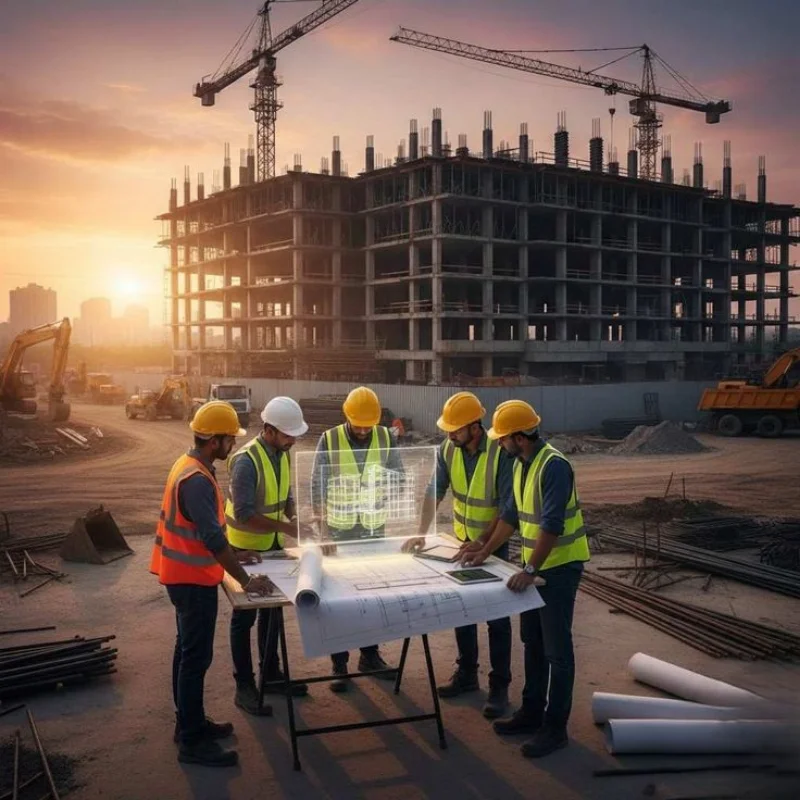
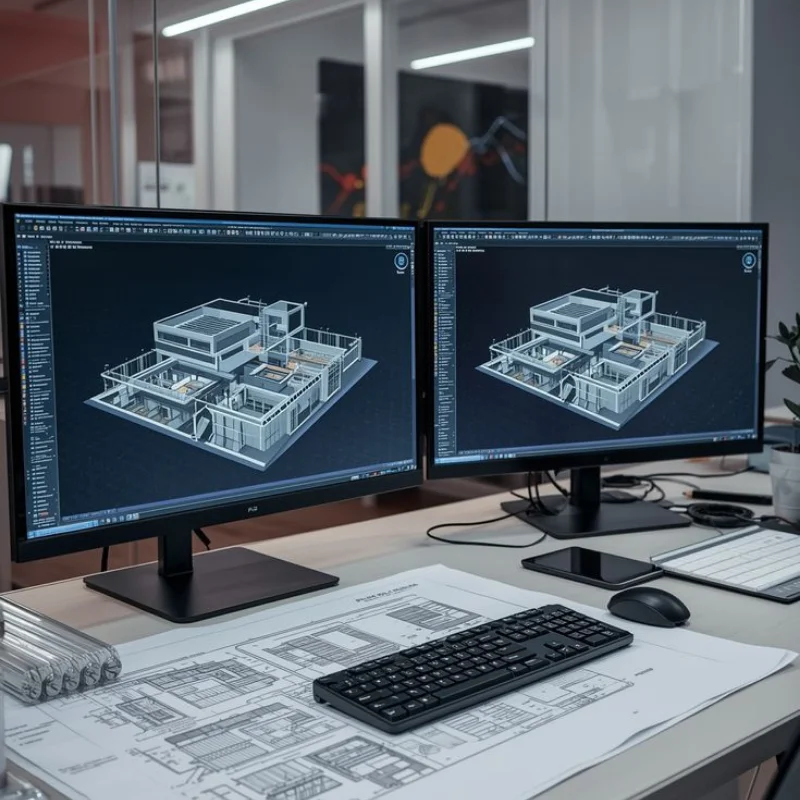
An infrastructure design service in Saudi Arabia involves planning and engineering systems such as roads, drainage networks, utility infrastructure, water distribution systems, and wastewater facilities for industrial, commercial, and municipal developments.
Infrastructure design helps improve operational efficiency, environmental sustainability, infrastructure durability, and long-term project reliability while supporting urban and industrial growth.
Red Sea Arabia provides professional infrastructure design service in Saudi Arabia with expertise in civil engineering, utility infrastructure, drainage systems, transportation planning, and sustainable infrastructure development tailored to industrial and commercial project requirements.
Engineering design ensures projects are safe, functional, efficient, and capable of meeting operational requirements. Proper design also helps reduce construction risks and optimize project costs.
Engineering consulting services support construction, manufacturing, oil and gas, utilities, transportation, water treatment, commercial developments, and industrial facilities.
Design services focus on project concepts, layouts, and planning, while engineering services provide technical calculations, system design, structural analysis, and performance evaluations required for implementation.
Professional engineering helps optimize materials, improve efficiency, reduce design errors, minimize construction changes, and support better project planning throughout the project lifecycle.