

Introduction
Industrial facilities across Saudi Arabia generate wastewater with widely different characteristics. Manufacturing, food processing, textiles, chemicals, oil and gas, healthcare, and other industries may produce wastewater containing organic matter, suspended solids, oils, chemicals, salts, nutrients, or industry-specific contaminants.
Because industrial wastewater varies significantly from one facility to another, effective treatment requires an engineered approach.
A properly designed industrial wastewater treatment solution in Saudi Arabia can help facilities manage effluent responsibly, meet applicable requirements, recover water for suitable reuse, and improve overall water efficiency.
What Is Industrial Wastewater Treatment?
Industrial wastewater treatment is the process of removing or reducing contaminants from wastewater generated by industrial and manufacturing activities.
The treatment system may combine:
- Physical treatment
- Biological treatment
- Chemical treatment
- Filtration
- Membrane processes
- Disinfection
- Sludge treatment
The exact treatment sequence depends on the wastewater characteristics and final treatment objectives.
Why Industrial Wastewater Treatment Is Important
Industrial wastewater can create environmental and operational risks when it is not properly managed.
Treatment helps organizations:
- Reduce pollutant loading
- Improve wastewater quality
- Support regulatory compliance
- Protect receiving environments
- Recover water for appropriate reuse
- Improve water efficiency
- Manage industrial effluent more effectively
Saudi Arabia’s national water strategy places emphasis on sustainable water resources, high-quality wastewater services, environmental protection, and innovation.
Which Industries Need Industrial Wastewater Treatment?
Manufacturing
Manufacturing wastewater can vary depending on the raw materials, processes, cleaning chemicals, and production methods involved.
Textile and Garment Manufacturing
Textile wastewater may contain color, suspended solids, chemicals, detergents, and other process contaminants.
Treatment may include physical, chemical, biological, filtration, and membrane processes depending on the required outcome.
Food Processing
Food and beverage wastewater can contain high organic loading, fats, oils, grease, suspended solids, and cleaning chemicals.
Biological treatment is often an important part of the overall process.
Pharmaceutical Manufacturing
Pharmaceutical wastewater may contain complex organic and chemical compounds that require carefully selected treatment processes.
Chemical Industries
Chemical wastewater can contain specific contaminants that require chemical treatment, neutralization, precipitation, oxidation, or other specialized processes.
Oil and Gas
Oil and gas wastewater may contain hydrocarbons, suspended solids, dissolved contaminants, and other process-related pollutants.
Treatment must be designed around the specific wastewater stream and required effluent quality.
How Is an Industrial ETP Designed?
An industrial effluent treatment plant should be designed around actual wastewater characteristics.
Step 1: Identify Wastewater Sources
The engineering team should identify all significant wastewater streams.
Separating different streams can sometimes make treatment more efficient.
Step 2: Measure Flow
Flow measurement helps establish average and peak hydraulic loading.
Step 3: Characterize the Wastewater
Laboratory analysis identifies the contaminants that need to be treated.
Step 4: Define Treatment Objectives
The required treated-water quality should be established before final technology selection.
Step 5: Select the Treatment Process
Engineers then develop an appropriate treatment train.
Step 6: Design Equipment and Civil Works
The system is engineered around hydraulic, process, mechanical, electrical, instrumentation, and site requirements.
Step 7: Commission and Optimize
After installation, the plant needs commissioning and operational optimization.
Common Technologies Used in Industrial Wastewater Treatment
Equalization
Equalization tanks help manage variations in flow and wastewater characteristics.
pH Adjustment
Industrial wastewater may require pH correction before downstream treatment.
Coagulation and Flocculation
These processes can help aggregate fine particles and certain contaminants for removal.
Dissolved Air Flotation
DAF systems can be useful for removing suspended solids, fats, oils, and grease in suitable applications.
Biological Treatment
Biological processes can reduce biodegradable organic matter.
Multimedia Filtration
Filtration can provide additional removal of suspended particles.
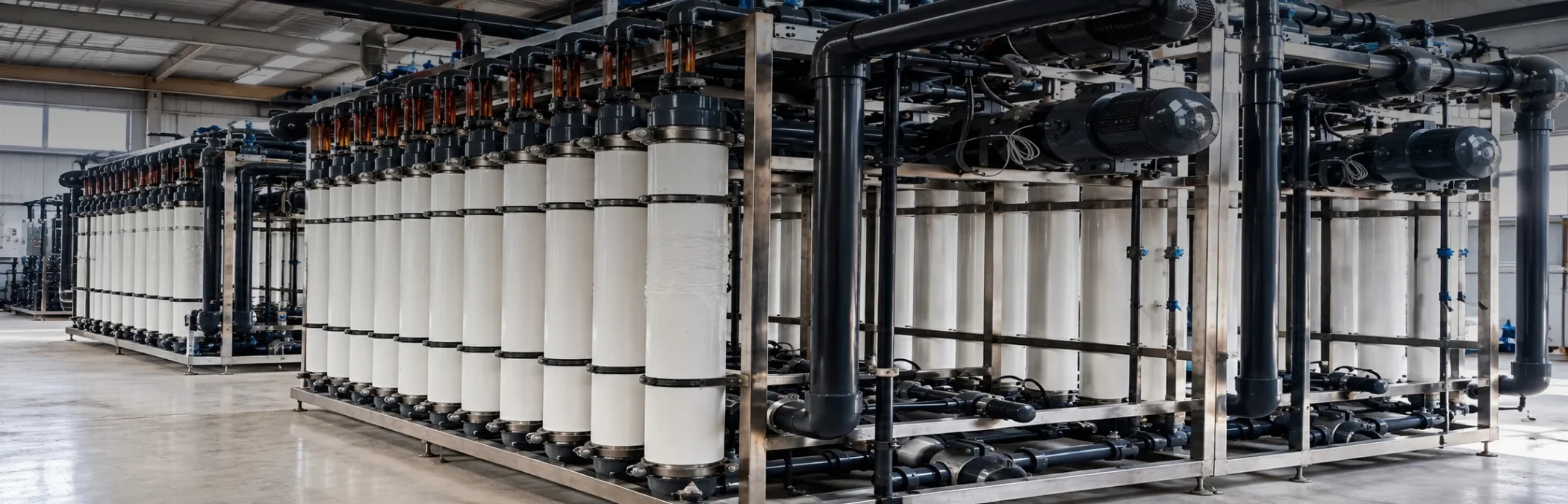
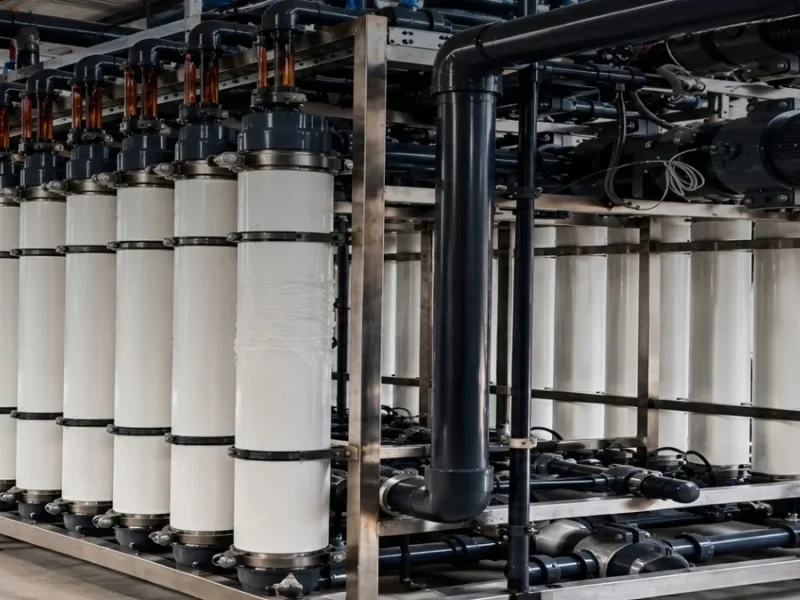
Ultrafiltration
UF membranes can provide advanced removal of suspended solids and microorganisms.
Reverse Osmosis
RO can reduce dissolved salts and other contaminants when high-quality water is required.
Industrial Wastewater Recycling
For water-intensive businesses, treatment can be combined with recycling.
Instead of treating wastewater only for disposal, a facility can investigate whether a portion of treated water can be recovered for suitable applications.
Potential reuse applications may include:
- Process water
- Equipment washing
- Cooling
- Landscaping
- Other approved industrial uses
Saudi water-sector initiatives increasingly emphasize advanced wastewater treatment and increasing the reuse of treated water for industrial applications.
Benefits of Industrial Wastewater Recycling
Reduced Freshwater Demand
Reusing treated water can reduce the quantity of freshwater required for suitable applications.
Better Resource Efficiency
Water that was previously treated only as waste can become part of a circular water-management strategy.
Operational Resilience
Recycling can diversify a facility’s water sources and improve resilience.
Potential Cost Savings
Depending on the application, reducing freshwater procurement and wastewater disposal requirements may improve operating economics.
Why Treatment Performance Depends on Wastewater Testing
One of the biggest mistakes in industrial wastewater projects is selecting equipment before understanding the wastewater.
For example, two factories may each generate 500 m³/day but require very different systems.
One may have high COD.
Another may have high TDS.
Another may have oil and grease.
Another may have heavy metals.
Therefore:
Flow rate tells you how much wastewater you have. Wastewater analysis tells you what you need to remove.
Both are necessary for appropriate treatment design.
Final Thoughts
Industrial wastewater treatment in Saudi Arabia requires a project-specific approach.
The correct treatment process depends on wastewater composition, flow, regulatory requirements, available space, treatment objectives, and potential reuse opportunities.
With appropriate engineering, industrial wastewater can be managed as both an environmental responsibility and a potential resource.
Industrial Wastewater Treatment Solutions in Saudi Arabia
Red Sea Arabia provides customized wastewater and water-treatment solutions for industrial and commercial applications, including ETPs, filtration, UF, RO, recycling systems, installation, commissioning, and maintenance.