

Introduction
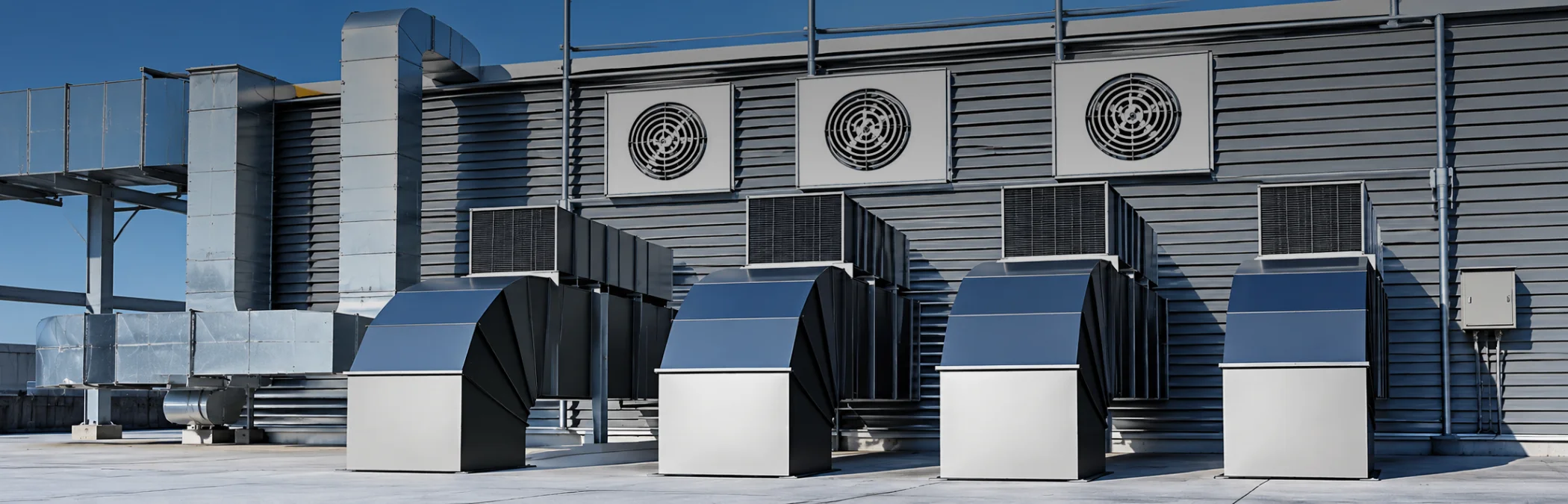
Industrial facilities require reliable environmental control systems to maintain productivity, equipment performance, employee comfort, and operational efficiency. Properly designed Industrial HVAC Systems play a critical role in regulating temperature, humidity, ventilation, and air quality across manufacturing plants, warehouses, commercial buildings, and industrial facilities.
An effective HVAC design not only improves indoor conditions but also contributes to energy efficiency, operational reliability, and long-term cost savings. Organizations that invest in professional HVAC planning and engineering often achieve better performance throughout the lifecycle of their facilities.
Understanding Industrial HVAC Systems
Industrial HVAC systems are designed to provide heating, ventilation, and air conditioning for large-scale facilities with complex operational requirements.
Unlike standard residential systems, industrial HVAC solutions must accommodate:
- Large indoor spaces
- Continuous operations
- Process-related heat loads
- Specialized ventilation requirements
- Equipment cooling needs
- Indoor air quality management
These systems help create safe and productive working environments while supporting operational objectives.
Why Proper HVAC Design Matters
Improved Energy Efficiency
Energy consumption is one of the largest operational expenses associated with HVAC systems.
A properly engineered system helps optimize energy usage by matching equipment capacity with facility requirements.
Efficient system design reduces unnecessary energy consumption while maintaining consistent performance.
Better Indoor Air Quality
Industrial environments often require controlled ventilation to maintain air quality and support occupant comfort.
Proper airflow management helps remove contaminants, improve ventilation effectiveness, and create healthier indoor environments.
Enhanced Equipment Performance
Many industrial processes depend on stable environmental conditions.
Reliable HVAC systems help protect sensitive equipment and maintain operational consistency.
Key Components of Industrial HVAC Design
Load Analysis
Engineers evaluate heating and cooling requirements based on building size, occupancy, equipment loads, and operational activities.
Accurate load calculations help ensure system efficiency and performance.
Ventilation Planning
Ventilation systems provide fresh air circulation while removing heat, humidity, and airborne contaminants.
Proper ventilation contributes to both operational efficiency and workplace safety.
Air Distribution Systems
Well-designed ductwork and airflow systems help maintain consistent environmental conditions throughout the facility.
Control Systems
Modern HVAC systems often incorporate automation technologies that improve monitoring, control, and energy management.
Benefits of Professional HVAC Design Services
Reduced Operating Costs
Energy-efficient systems help lower utility expenses over time.
Improved Comfort
Consistent temperature and air quality improve employee comfort and workplace conditions.
Increased Reliability
Proper system sizing and design reduce operational issues and equipment strain.
Long-Term Asset Value
Well-designed HVAC systems support facility performance and lifecycle efficiency.
Industries That Rely on Industrial HVAC Systems
Manufacturing Facilities
Maintaining controlled environmental conditions for production processes.
Warehouses and Logistics Centers
Supporting inventory storage and employee comfort.
Healthcare Facilities
Managing indoor air quality and environmental control requirements.
Commercial Buildings
Providing comfort and operational efficiency for occupants.
Industrial Plants
Supporting equipment operation and process stability.
Future Trends in Industrial HVAC
Modern HVAC solutions increasingly incorporate:
- Smart Building Controls
- Energy Management Systems
- Variable Speed Technologies
- Sustainable HVAC Solutions
- Remote Monitoring Capabilities
These technologies help organizations improve efficiency and operational performance.
Conclusion
Industrial HVAC Systems are essential for maintaining efficient, safe, and productive industrial environments. Through proper design, engineering, and system selection, organizations can improve energy efficiency, enhance indoor air quality, and achieve long-term operational reliability. Investing in professional HVAC design services helps businesses maximize performance while reducing operational costs.