

Introduction
Selecting the right Industrial Epoxy Flooring system is an important decision for businesses seeking long-term floor protection, safety, and operational efficiency. Different facilities have unique environmental conditions, traffic levels, and operational requirements, making it essential to choose a flooring solution that aligns with specific needs.
Professional epoxy coating solutions can improve durability, reduce maintenance requirements, and enhance workplace performance when properly selected and installed.
Understanding Industrial Epoxy Flooring
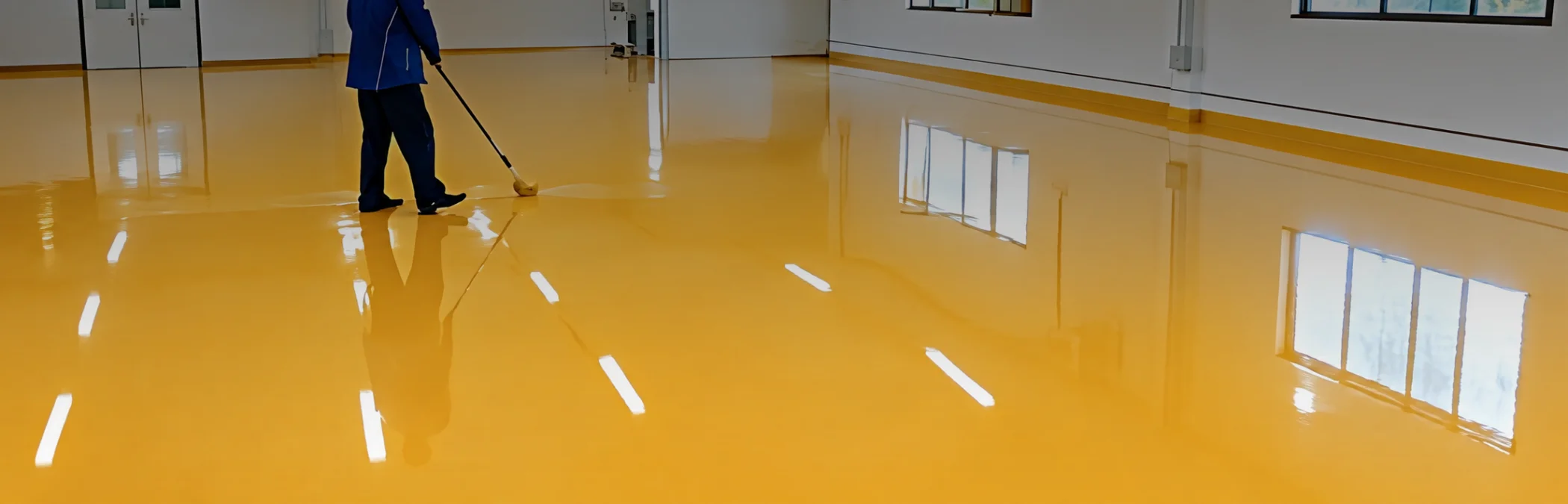
Industrial epoxy flooring consists of protective coating systems designed to strengthen and protect concrete surfaces.
These systems are commonly used in facilities that require:
- High durability
- Chemical resistance
- Easy maintenance
- Improved safety
- Professional appearance
The right flooring system depends on operational demands and environmental conditions.
Factors to Consider When Choosing Epoxy Flooring
Facility Usage Requirements
The intended use of the facility should be the first consideration.
Organizations should evaluate:
- Traffic volume
- Equipment movement
- Operational activities
- Environmental exposure
Different environments require different coating performance characteristics.
Chemical Exposure
Facilities exposed to chemicals, oils, solvents, or cleaning agents often require enhanced chemical resistance.
Selecting a coating system designed for these conditions helps improve floor longevity.
Mechanical Loads
Heavy machinery, forklifts, and industrial equipment place significant stress on flooring surfaces.
Flooring systems should be selected based on expected load requirements.
Safety Considerations
Slip Resistance
Workplace safety is an important factor when selecting flooring systems.
Anti-slip epoxy solutions can improve traction and reduce accident risks.
Visibility and Marking
Some facilities use epoxy coatings to define walkways, work zones, and operational areas.
Clear floor markings help improve organization and safety.
Types of Epoxy Flooring Systems
Self-Leveling Epoxy
Creates a smooth and seamless surface suitable for many commercial and industrial applications.
High-Build Epoxy Systems
Provides additional thickness and durability for demanding environments.
Anti-Slip Epoxy Coatings
Designed to improve surface traction in areas exposed to moisture or heavy traffic.
Chemical-Resistant Epoxy Systems
Suitable for facilities where chemical exposure is a significant concern.
Benefits of Selecting the Right System
Improved Durability
Appropriate coating selection helps maximize floor performance and longevity.
Reduced Maintenance Costs
Durable flooring systems often require fewer repairs and maintenance interventions.
Better Operational Efficiency
Reliable flooring supports daily operations and workplace productivity.
Enhanced Facility Appearance
Well-maintained flooring contributes to a professional working environment.
Why Professional Installation Matters
Even the highest-quality materials require proper installation to achieve optimal results.
Professional epoxy coating contractors provide:
- Surface preparation expertise
- Correct product selection
- Quality application techniques
- Long-term performance support
Professional installation significantly impacts the lifespan and effectiveness of flooring systems.
- Manufacturing Facilities
- Warehouses
- Logistics Centers
- Food Processing Plants
- Healthcare Facilities
- Commercial Buildings
- Automotive Workshops
These sectors rely on durable flooring solutions to support demanding operational environments.
Conclusion
Choosing the right Industrial Epoxy Flooring system requires careful evaluation of facility requirements, environmental conditions, safety needs, and operational demands. By selecting an appropriate coating system and working with experienced epoxy flooring professionals, organizations can achieve long-lasting floor protection, improved safety, and greater operational efficiency.