

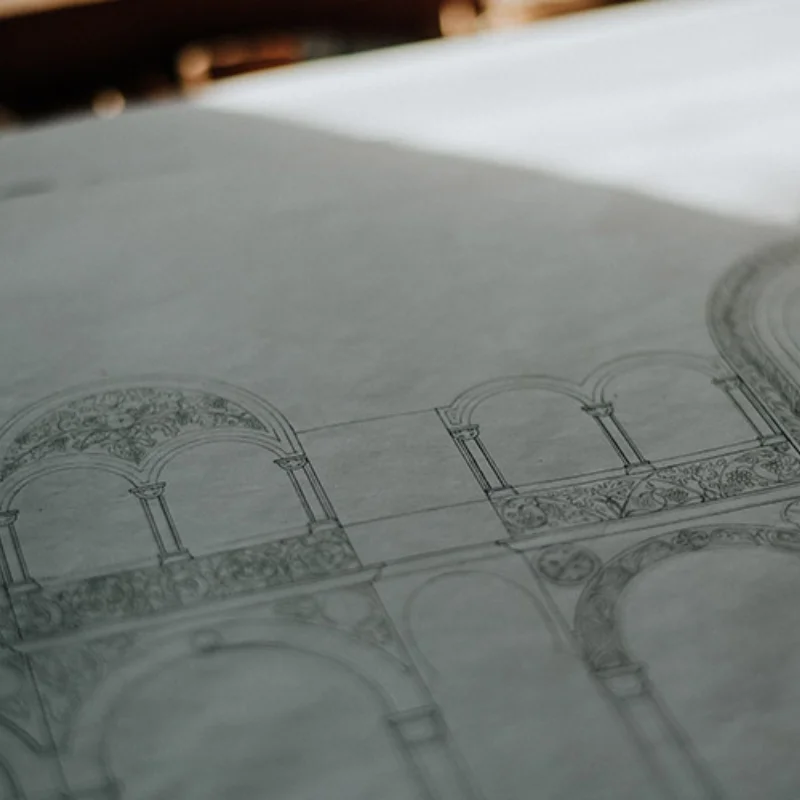
Successful industrial and infrastructure developments begin long before construction starts. The engineering design process provides a structured approach to planning, analyzing, and developing projects that meet technical, operational, and business objectives.
Organizations investing in Design & Engineering Services benefit from improved project efficiency, better resource management, and reduced execution risks.
Engineering design is a systematic method used to transform ideas into practical solutions. It involves technical evaluation, planning, design development, and implementation support.
Each stage contributes to the successful delivery of a project.
Stage 1: Project Consultation and Requirement Analysis
The first step involves understanding project goals, operational requirements, budget considerations, and site conditions.
Engineering teams gather information necessary to develop suitable project solutions.
Key Activities
- Stakeholder discussions
- Project objective definition
- Site data collection
- Technical requirement assessment
Stage 2: Feasibility Assessment
A feasibility assessment evaluates whether a project can be successfully implemented from technical, operational, and economic perspectives.
This stage helps identify potential opportunities and challenges before significant investments are made.
Benefits of Feasibility Studies
- Better decision-making
- Risk identification
- Budget planning
- Resource optimization
Stage 3: Conceptual Design Development
During this phase, engineers develop preliminary layouts, process concepts, and design alternatives.
Conceptual designs provide stakeholders with an overview of the proposed solution.
Objectives of Conceptual Design
- Evaluate alternatives
- Define project scope
- Establish design direction
Stage 4: Detailed Engineering Design
Detailed engineering converts concepts into technical documentation required for implementation.
This phase includes:
- Engineering drawings
- Technical specifications
- Equipment selection
- System calculations
- Design documentation
Stage 5: Procurement and Equipment Planning
Engineering teams assist with selecting equipment, materials, and technical components that align with project requirements.
Proper procurement planning supports project efficiency and performance.
Stage 6: Construction and Installation Support
During execution, engineering professionals provide technical oversight and support.
Their involvement helps ensure compliance with approved designs and specifications.
Stage 7: Testing and Commissioning
Testing verifies that systems operate according to design requirements.
Commissioning helps optimize performance before full operation.
Benefits of Following a Structured Design Process
Improved Project Quality
Systematic planning reduces errors and enhances project reliability.
Better Cost Management
Early planning helps avoid unexpected expenses.
Increased Operational Efficiency
Well-designed systems perform more effectively throughout their lifecycle.
Enhanced Project Success
Engineering expertise improves coordination and decision-making across all project stages.
Conclusion
The engineering design process provides the foundation for successful industrial and infrastructure developments. By partnering with experienced providers of Design & Engineering Services, organizations can improve project performance, reduce risks, and achieve long-term operational objectives.